
Category Archives: Cybersecurity

AI Data Breaches are Rising! Here’s How to Protect Your Company  

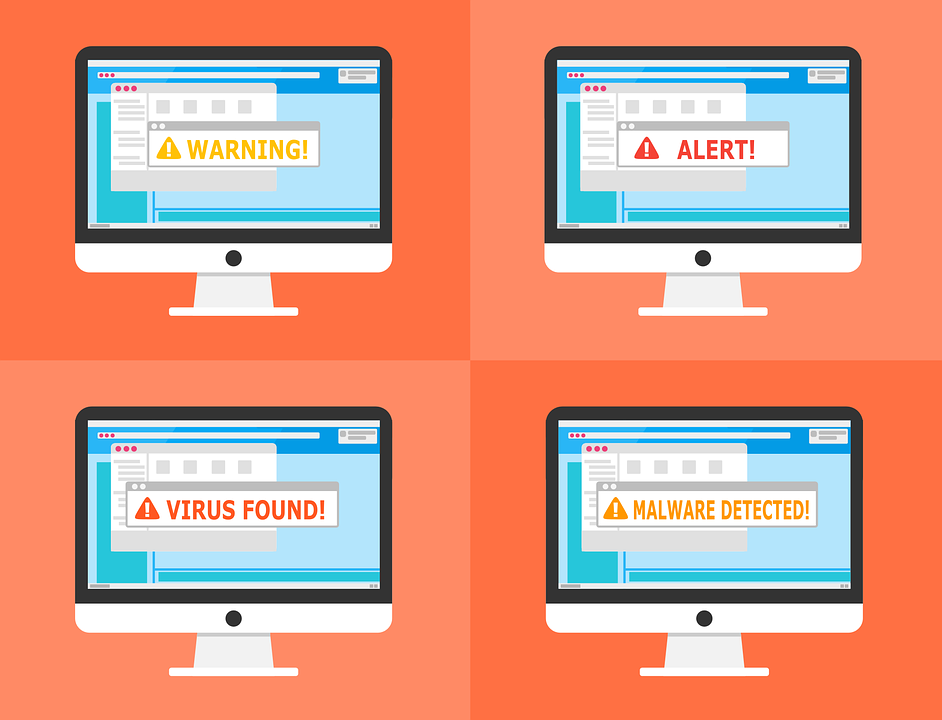
Free warning alert detected vector

Artificial intelligence (AI) is rapidly transforming industries. It offers businesses innovative solutions and automation capabilities. But with this progress comes a growing concern: AI data breaches. As AI becomes more integrated into our systems, the risks increase. The data it collects, analyzes, and utilizes becomes a target.

A recent study on AI security breaches revealed a sobering truth. In the last year, 77% of businesses have experienced a breach of their AI. This poses a significant threat to organizations. A breach can potentially expose sensitive data as well as compromise intellectual property and disrupt critical operations.

But wait before you hit the panic button. Let’s explore why AI data breaches are on the rise and what steps you can take to safeguard your company’s valuable information.

Why AI Data Breaches are Growing in Frequency

Several factors contribute to the increasing risk of AI data breaches:

  • The Expanding Attack Surface: AI adoption is increasing fast. As it increases, so does the number of potential entry points for attackers. Hackers can target vulnerabilities in AI models and data pipelines. As well as the underlying infrastructure supporting them.
  • Data, the Fuel of AI: AI thrives on data. The vast amount of data collected for training and operation makes a tempting target. This data could include customer information, business secrets, and financial records. And even personal details of employees.
  • The “Black Box” Problem: Many AI models are complex and opaque. This makes it difficult to identify vulnerabilities and track data flow. This lack of transparency makes it challenging to detect and prevent security breaches.
  • Evolving Attack Techniques: Cybercriminals are constantly developing new methods to exploit security gaps. Techniques like adversarial attacks can manipulate AI models. This can produce incorrect outputs or leak sensitive data.

The Potential Impact of AI Data Breaches

The consequences of an AI data breach can be far-reaching:

  • Financial Losses: Data breaches can lead to hefty fines, lawsuits, and reputational damage. This can impact your bottom line significantly.
  • Disrupted Operations: AI-powered systems are often critical to business functions. A breach can disrupt these functionalities, hindering productivity and customer service.
  • Intellectual Property Theft: AI models themselves can be considered intellectual property. A breach could expose your proprietary AI models, giving competitors a significant advantage.
  • Privacy Concerns: AI data breaches can compromise sensitive customer and employee information. This can raise privacy concerns and potentially lead to regulatory action.

Protecting Your Company from AI Data Breaches: A Proactive Approach

The good news is that you can take steps to mitigate the risk of AI data breaches. Here are some proactive measures to consider.

Data Governance

Put in place robust data governance practices. This includes:

  • Classifying and labeling data based on sensitivity
  • Establishing clear access controls
  • Regularly monitoring data usage

Security by Design

Integrate security considerations into AI development or adoption. Standard procedures for AI projects should be:

  • Secure coding practices
  • Vulnerability assessments
  • Penetration testing

Model Explainability

Invest in techniques like explainable AI (XAI) that increase transparency in AI models. This allows you to understand how the model arrives at its results and identify potential vulnerabilities or biases.

Threat Modeling

Conduct regular threat modeling exercises. This identifies potential weaknesses in your AI systems and data pipelines. This helps you rank vulnerabilities and allocate resources for remediation.

Employee Training

Educate your employees about AI security threats and best practices for data handling. Empower them to identify and report suspicious activity.

Security Patch Management

Keep all AI software and hardware components updated with the latest security patches. Outdated systems are vulnerable to known exploits, leaving your data at risk.

Security Testing

Regularly conduct security testing of your AI models and data pipelines. This helps identify vulnerabilities before attackers exploit them.

Stay Informed

Keep yourself updated on the latest AI security threats and best practices. You can do this by:

  • Subscribing to reliable cybersecurity publications
  • Attending industry conferences
  • Seeking out online workshops on AI and security

Partnerships for Enhanced Protection

Consider working with a reputable IT provider that understands AI security. We can offer expertise in threat detection as well as a vulnerability assessment and penetration testing tailored to AI systems. 

Additionally, explore solutions from software vendors who offer AI-powered anomaly detection tools. These tools can analyze data patterns. They identify unusual activity that might suggest a potential breach.

Get Help Building a Fortress Against AI Data Breaches

AI offers immense benefits. But neglecting its security risks can leave your company exposed. Do you need a trusted partner to help address AI cybersecurity?

Our team of experts will look at your entire IT infrastructure. Both AI and non-AI components. We’ll help you put proactive measures in place for monitoring and protection. Our team can help you sleep soundly at night in an increasingly dangerous digital space. 

Contact us today to schedule a chat about your cybersecurity.

Featured Image Credit

This Article has been Republished with Permission from The Technology Press.

Why Continuous Monitoring is a Cybersecurity Must

Free cybersecurity padlock shield vector

Imagine this: you leave your house for vacation. You live in a shady neighborhood but feel confident your locks are secure, but you also don’t check them daily. Are they really locked and safe? A tiny crack or hidden weakness could have occurred. It’s a disaster waiting to happen.

That’s the risk of neglecting continuous cybersecurity monitoring. Cyber threats are constantly evolving, and traditional security measures are no longer enough. Continuous monitoring acts as your vigilant digital guard. It’s constantly checking for weaknesses. It sounds the alarm before attackers exploit them.

Why Continuous Monitoring Matters

There are several reasons you need to watch your network. It’s not just a “good to have.” Here’s why continuous monitoring is a cybersecurity must for businesses of all sizes.

Breaches Happen Fast

Cyberattacks can happen in seconds. They exploit vulnerabilities before you even know they exist. Continuous monitoring provides real-time insights. It allows you to identify and respond to threats swiftly, minimizing potential damage.

Advanced Threats Need Advanced Defenses

Hackers are constantly developing sophisticated techniques. Some can bypass traditional perimeter defenses. Continuous monitoring delves deeper. It analyzes network traffic, user behavior, and system logs. It uncovers hidden threats lurking within your network.

Compliance Requirements Often Mandate It

Many industry regulations and data privacy laws require organizations to have continuous monitoring. Failure to comply can result in hefty fines and reputational damage.

Peace of Mind and Reduced Costs

Continuous monitoring helps prevent costly breaches and downtime. It also reduces the workload for security teams. It automates routine tasks, allowing them to focus on strategic initiatives.

What Does Continuous Monitoring Look Like?

Continuous monitoring isn’t a single tool. It’s a holistic approach that combines different elements. These include:

  • Log Management: Security logs are collected and analyzed for suspicious activity. Logs come from firewalls, devices, and applications.
  • Security Information and Event Management (SIEM): SIEM systems collect security data. They tap into various sources. They provide a centralized view of your security posture and identify potential threats.
  • Vulnerability Scanning: Regular scans identify weaknesses in your systems and applications. This allows you to patch them before attackers exploit them.
  • User Activity Monitoring: Monitoring user behavior can identify suspicious activity. For example, unauthorized access attempts or data exfiltration.
  • Network Traffic Analysis: Monitoring network traffic can reveal several risks:
    • Malware
    • Suspicious communication patterns
    • Attempts to breach your network defenses

Benefits Beyond Threat Detection

Continuous monitoring offers advantages beyond just identifying threats. Here are some extra benefits.

Improved Threat Detection Accuracy

Continuous monitoring reduces false positives. It does this by analyzing vast amounts of data. This allows your security team to focus on genuine threats.

Faster Incident Response

Continuous monitoring provides real-time alerts. This enables a quicker response to security incidents, minimizing potential damage.

Enhanced Security Posture

Continuous monitoring aids in identifying vulnerabilities. It helps you rank patching and remediation efforts. This proactively strengthens your security posture.

Compliance Reporting

Continuous monitoring systems can generate reports. This helps you prove compliance with relevant regulations. It also saves you time and resources during audits.

Getting Started with Continuous Monitoring

Implementing continuous monitoring doesn’t have to be overwhelming. You can begin with a few common-sense steps.

Assess Your Needs

Identify your organization’s specific security needs and compliance requirements. Have a cybersecurity assessment done. This is the best way to identify vulnerabilities you should address.

Choose the Right Tools

Select monitoring tools that align with your needs and budget. Consider managed security service providers (MSSPs) for a comprehensive solution. We can help you ensure a holistic cybersecurity strategy. Plus, we can tailor solutions for your budget.

Develop a Monitoring Plan

Define what your monitoring plan will look like. This helps ensure that things don’t get missed. Here are some things to include in your plan:

  • How you will track data
  • How you will handle alerts
  • Who handles responding to incidents

Invest in Training

Train your security team on how to use the monitoring tools as well as how to effectively respond to security alerts. Include training on reporting from monitoring systems. Ensure your team knows how to understand the insights they offer.

Continuous Monitoring: Your Cybersecurity Lifeline

In today’s threat landscape, continuous monitoring is not a luxury. It’s a security necessity. Proactive monitoring of your systems and data has many benefits. You can identify threats early and respond swiftly, as well as reduce the impact of cyberattacks.

Don’t wait for a security breach to be your wake-up call. Embrace continuous monitoring and take control of your cybersecurity posture. An ounce of prevention is worth a pound of cure, especially in the digital world.

Need Help with Your Cybersecurity Strategy?

Monitoring is one part of a holistic approach to cybersecurity. We’ll be happy to help you protect your business. We can customize a plan that works for your needs and budget.

Contact us today to discuss your needs.

Featured Image Credit

This Article has been Republished with Permission from The Technology Press.
A Simple Guide to the Updated NIST 2.0 Cybersecurity Framework

Free padlock neon cybersecurity vector

Staying ahead of threats is a challenge for organizations of all sizes. Reported global security incidents grew between February and March of 2024. They increased by 69.8%. It’s important to use a structured approach to cybersecurity. This helps to protect your organization.

The National Institute of Standards and Technology (NIST) created a Cybersecurity Framework (CSF). It provides an industry-agnostic approach to security. It’s designed to help companies manage and reduce their cybersecurity risks. The framework was recently updated in 2024 to NIST CSF 2.0.

CSF 2.0 is a comprehensive update that builds upon the success of its predecessor. It offers a more streamlined and flexible approach to cybersecurity. This guide aims to simplify the framework. As well as make it more easily accessible to small and large businesses alike.

Understanding the Core of NIST CSF 2.0


At the heart of CSF 2.0 is the Core. The Core consists of five concurrent and continuous Functions. These are: Identify, Protect, Detect, Respond, and Recover. These Functions provide a high-level strategic view of cybersecurity risk, as well as an organization’s management of that risk. This allows for a dynamic approach to addressing threats.

Here are the five Core Functions of NIST CSF 2.0:

  1. Identify
    This function involves identifying and understanding the organization’s assets, cyber risks, and vulnerabilities. It’s essential to have a clear understanding of what you need to protect. You need this before you can install safeguards.
  2. Protect
    The protect function focuses on implementing safeguards. These protections are to deter, detect, and mitigate cybersecurity risks. This includes measures such as firewalls, intrusion detection systems, and data encryption.
  3. Detect
    Early detection of cybersecurity incidents is critical for minimizing damage. The detect function emphasizes the importance of detection, as well as having mechanisms to identify and report suspicious activity.
  4. Recover
    The recover function focuses on restoring normal operations after a cybersecurity incident. This includes activities such as data restoration, system recovery, and business continuity planning.
  5. Respond
    The respond function outlines the steps to take in the event of a cybersecurity incident. This includes activities such as containment, eradication, recovery, and lessons learned.

Profiles and Tiers: Tailoring the Framework

The updated framework introduces the concept of Profiles and Tiers. These help organizations tailor their cybersecurity practices. They can customize them to their specific needs, risk tolerances, and resources.

Profiles

Profiles are the alignment of the Functions, Categories, and Subcategories. They’re aligned with the business requirements, risk tolerance, and resources of the organization.

Tiers

Tiers provide context on how an organization views cybersecurity risk as well as the processes in place to manage that risk. They range from Partial (Tier 1) to Adaptive (Tier 4).

Benefits of Using NIST CSF 2.0

There are many benefits to using NIST CSF 2.0, including:

  • Improved Cybersecurity Posture: By following the guidance in NIST CSF 2.0, organizations can develop a more comprehensive and effective cybersecurity program.
  • Reduced Risk of Cyberattacks: The framework helps organizations identify and mitigate cybersecurity risks. This can help to reduce the likelihood of cyberattacks.
  • Enhanced Compliance: NIST aligned CSF 2.0 with many industry standards and regulations. This can help organizations to meet compliance requirements.
  • Improved Communication: The framework provides a common language for communicating about cybersecurity risks. This can help to improve communication between different parts of an organization.
  • Cost Savings: NIST CSF 2.0 can help organizations save money. It does this by preventing cyberattacks and reducing the impact of incidents.

Getting Started with NIST CSF 2.0

If you are interested in getting started with NIST CSF 2.0, there are a few things you can do:

  • Familiarize yourself with the framework: Take some time to read through the NIST CSF 2.0 publication. Familiarize yourself with the Core Functions and categories.
  • Assess your current cybersecurity posture: Conduct an assessment of your current cybersecurity posture. This will help you identify any gaps or weaknesses.
  • Develop a cybersecurity plan: Based on your assessment, develop a cybersecurity plan. It should outline how you will put in place the NIST CSF 2.0 framework in your organization.
  • Seek professional help: Need help getting started with NIST CSF 2.0? Seek out a managed IT services partner. We’ll offer guidance and support.

By following these steps, you can begin to deploy NIST CSF 2.0 in your organization. At the same time, you’ll be improving your cybersecurity posture.

Schedule a Cybersecurity Assessment Today

The NIST CSF 2.0 is a valuable tool. It can help organizations of all sizes manage and reduce their cybersecurity risks. Follow the guidance in the framework. It will help you develop a more comprehensive and effective cybersecurity program.

Are you looking to improve your organization’s cybersecurity posture? NIST CSF 2.0 is a great place to start. We can help you get started with a cybersecurity assessment. We’ll identify assets that need protecting and security risks in your network. We can then work with you on a budget-friendly plan. Contact us today to schedule a cybersecurity assessment.

Featured Image Credit

This Article has been Republished with Permission from The Technology Press.

10 Easy Steps to Building a Culture of Cyber Awareness

red and black love lock

Cyberattacks are a constant threat in today’s digital world. Phishing emails, malware downloads, and data breaches. They can cripple businesses and devastate personal lives.

Employee error is the reason many threats get introduced to a business network. A lack of cybersecurity awareness is generally the culprit. People don’t know any better, so they accidentally click a phishing link. They also create weak passwords, easy for hackers to breach.

It’s estimated that 95% of data breaches are due to human error.

But here’s the good news, these mistakes are preventable. Building a strong culture of cyber awareness can significantly reduce your risks.

Why Culture Matters

Think of your organization’s cybersecurity as a chain. Strong links make it unbreakable, while weak links make it vulnerable. Employees are the links in this chain. By fostering a culture of cyber awareness, you turn each employee into a strong link. This makes your entire organization more secure.

Easy Steps, Big Impact

Building a cyber awareness culture doesn’t require complex strategies or expensive training programs. Here are some simple steps you can take to make a big difference.

1. Start with Leadership Buy-in

Security shouldn’t be an IT department issue alone. Get leadership involved! When executives champion cyber awareness, it sends a powerful message to the organization. Leadership can show their commitment by:

  • Participating in training sessions
  • Speaking at security awareness events
  • Allocating resources for ongoing initiatives

2. Make Security Awareness Fun, Not Fearful

Cybersecurity training doesn’t have to be dry and boring. Use engaging videos, gamified quizzes, and real-life scenarios. These keep employees interested and learning.

Think of interactive modules. Ones where employees choose their path through a simulated phishing attack. Or short, animated videos. Videos that explain complex security concepts in a clear and relatable way.

3. Speak Their Language

Cybersecurity terms can be confusing. Communicate in plain language, avoiding technical jargon. Focus on practical advice employees can use in their everyday work.

Don’t say, “implement multi-factor authentication.” Instead, explain that it adds an extra layer of security when logging in. Like needing a code from your phone on top of your password.

4. Keep it Short and Sweet

Don’t overwhelm people with lengthy training sessions. Opt for bite-sized training modules that are easy to digest and remember. Use microlearning approaches delivered in short bursts throughout the workday. These are a great way to keep employees engaged and reinforce key security concepts.

5. Conduct Phishing Drills

Regular phishing drills test employee awareness and preparedness. Send simulated phishing emails and track who clicks. Use the results to educate employees on red flags and reporting suspicious messages.

But don’t stop there! After a phishing drill, take the opportunity to dissect the email with employees. Highlight the telltale signs that helped identify it as a fake.

6. Make Reporting Easy and Encouraged

Employees need to feel comfortable reporting suspicious activity without fear of blame. Create a safe reporting system and acknowledge reports promptly. You can do this through:

  • A dedicated email address
  • An anonymous reporting hotline
  • A designated security champion employees can approach directly

7. Security Champions: Empower Your Employees

Identify enthusiastic employees who can become “security champions.” These champions can answer questions from peers. As well as promote best practices through internal communication channels. This keeps security awareness top of mind.

Security champions can be a valuable resource for their colleagues. They foster a sense of shared responsibility for cybersecurity within the organization.

8. Beyond Work: Security Spills Over

Cybersecurity isn’t just a work thing. Educate employees on how to protect themselves at home too. Share tips on strong passwords, secure Wi-Fi connections, and avoiding public hotspots. Employees who practice good security habits at home are more likely to do so in the workplace.

9. Celebrate Successes

Recognize and celebrate employee achievements in cyber awareness. Did someone report a suspicious email? Did a team achieve a low click-through rate on a phishing drill? Publicly acknowledge their contributions to keep motivation high. Recognition can be a powerful tool. It’s helps reinforce positive behavior and encourages continued vigilance.

10. Bonus Tip: Leverage Technology

Technology can be a powerful tool for building a cyber-aware culture. Use online training platforms that deliver microlearning modules and track employee progress. You can schedule automated phishing simulations regularly to keep employees on their toes.

Tools that bolster employee security include:

The Bottom Line: Everyone Plays a Role

Building a culture of cyber awareness is an ongoing process. Repetition is key! Regularly revisit these steps. Keep the conversation going. Make security awareness a natural part of your organization’s DNA.

Cybersecurity is a shared responsibility. By fostering a culture of cyber awareness your business benefits. You equip everyone in your organization with the knowledge and tools to stay safe online. Empowered employees become your strongest defense against cyber threats.

Contact Us to Discuss Security Training & Technology

Need help with email filtering or security rules setup? Would you like someone to handle your ongoing employee security training? We can help you reduce your cybersecurity risk in many ways.

Contact us today to learn more.


Featured Image Credit

This Article has been Republished with Permission from The Technology Press.